
If a Car Cuts Me Off and I Hit It, Am I Liable?
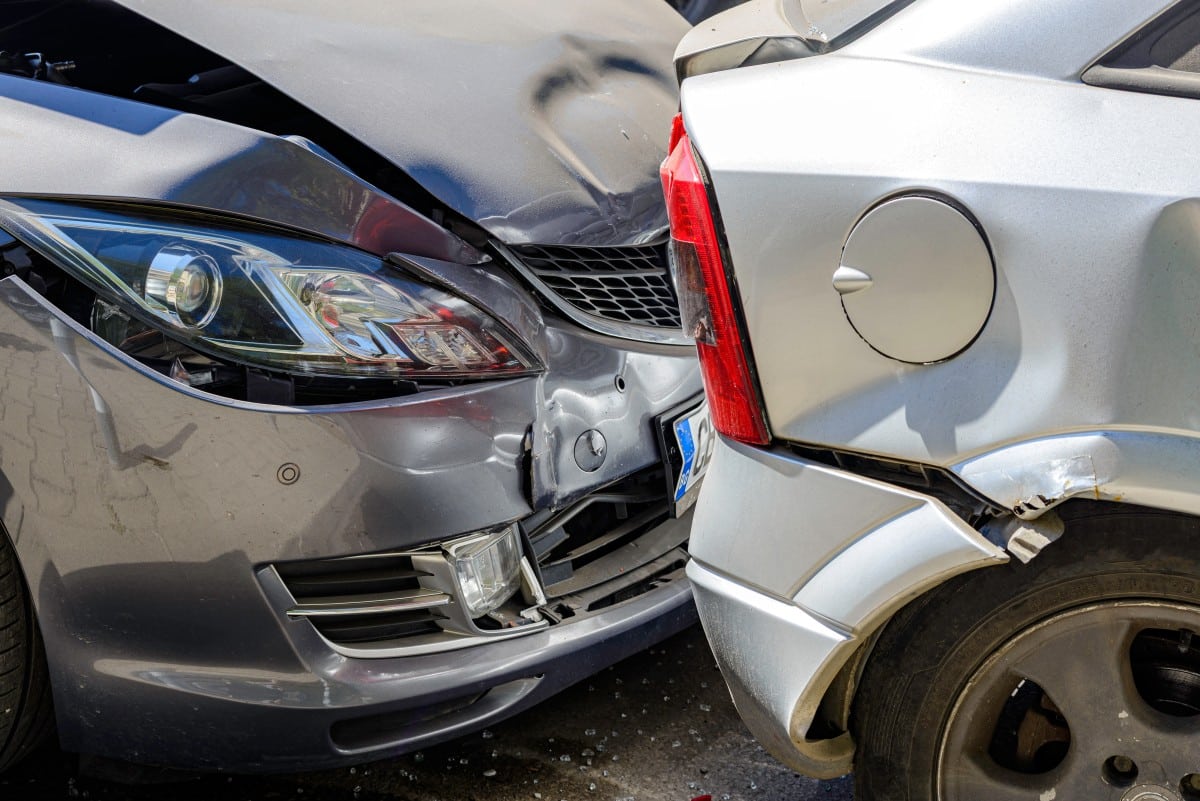 You do everything you can to drive safely and avoid accidents—you don’t tailgate, speed, or drive while distracted. But then it happens. You’re driving and watching your surroundings when someone from a neighboring lane swerves in front of you. There’s no time to respond, and even though you hit your brakes, it’s too late—you’ve hit them.
This same scenario plays out every single day across the United States, and it leaves the drivers with the same question: who’s liable? A lot of factors come into play here, and ultimately, it depends on the specific details of your accident. Wondering if you have a claim? Call Silverman, McDonald & Friedman today to discuss your case.
A driver’s legal duty to drive safely and responsibly
To figure out why these claims can be complicated, it’s important to know how the law looks at drivers and how they operate on the road. Every single driver on the road has a duty of care. This is their legal responsibility to operate their vehicle safely and take reasonable steps to avoid putting others in danger. There’s a lot that’s considered “taking reasonable steps” in this area, including properly maintaining your vehicle, not speeding, not driving while distracted, checking your blind spot before making a lane change, and leaving enough distance between you and other vehicles.
These types of accidents involve both parties’ duty of care. The other driver has an obligation to avoid changing lanes too quickly, cutting other drivers off, and forcing other drivers to take evasive action. But that doesn’t mean that you, the rear driver, don’t also have a duty of care. You’re expected to leave enough space between you and other vehicles to react to sudden changes in a way that prevents accidents from occurring.
Why rear-end collisions usually raise a presumption of fault
In most rear-end car accidents, the rear driver is presumed to be liable. Drivers are expected to keep a safe following distance between themselves and other vehicles—enough so that even if the driver in front of them brakes suddenly, they can stop and avoid a collision.
However, while the rear driver is at fault in most rear-end accidents, this isn’t always cut-and-dried. If the front driver’s actions were unpredictable, unsafe, or abrupt, the responsibility may shift to them. It may also be split between both parties. That’s why insurance adjusters and car accident lawyers spend time investigating these claims.
Situations where the driver who cuts in may be liable
Let’s say you’ve been in one of these accidents. Here are a few scenarios in which the front driver may be at fault:
- Unsafe lane changes: Drivers are expected to check for other vehicles before changing lanes. Changing lanes without verifying that it’s safe to do so forces others into an unsafe position.
- Failure to signal or yield: Merging drivers must yield to those who are already in the lane, and they must signal their intent to merge. When they don’t do either, they make it hard for other drivers to predict what they’re going to do and act accordingly.
- Sudden braking: A lot of these complex rear-end accidents happen this way. One driver swerves in front of the other and brakes suddenly, causing a crash.
- Distracted or aggressive driving: A driver who is using their phone, weaving in and out of lanes, or intentionally driving negligently may be liable for any crash they’re involved in.
Situations where you may be partially or fully at fault
Even when another driver cuts you off and leaves you minimal time to react, you could still be partially responsible for the collision. You may share liability if:
- You were speeding, either above the speed limit or too fast for the weather conditions
- You were tailgating the car in front of you
- You were distracted
- You were fatigued or slow to react
For example, assume a driver changes lanes in front of you without signaling. That’s negligent. However, at the time, you were driving 15 MPH over the speed limit. Had you been driving the speed limit, you may have been able to stop in time. In this situation, a jury may split liability between the two parties.
How fault is determined
In these types of accidents, investigators rely on as much evidence as they can gather. The drivers’ testimonies are important, but not entirely reliable, as you can expect them to paint themselves in the best light possible.
Camera footage is extremely valuable in these cases. Dashcam footage, stoplight cameras, and surveillance camera footage may all be analyzed. Vehicle damage patterns, like the location and angle of the damage, can also make it easier to investigate the crash. Investigators may also look at vehicles’ skid marks to determine what went wrong. Eyewitness statements can be valuable, but they are most useful when obtained right after a crash.
From there, Delaware law may affect how much compensation you are (or aren’t) entitled to. Delaware is a comparative negligence state. This means that even if you are partially to blame, you may still be compensated. Under Delaware’s comparative negligence law, you may recover so long as your negligence is not greater than the defendants’ combined negligence (i.e., recovery is barred only if you are more than 50% at fault). This is why it’s so important to discuss your case with a car accident attorney. The other party’s insurance company may go to great lengths to push more liability onto you, decreasing the value of your claim or even eliminating it entirely.
Discuss your options with Silverman, McDonald & Friedman now
If you hit someone after they swerved in front of you, it’s time to take a look at your legal options. Get in touch with us online or call us now.

Robert McDonald joined forces with his partners to create Silverman, McDonald & Friedman in 1999 in order to focus his efforts on helping people in need throughout the state. His practice areas include personal injury, workers’ compensation & several other practice areas.