

Dangers of Prescription Painkillers in the Workplace: Part One
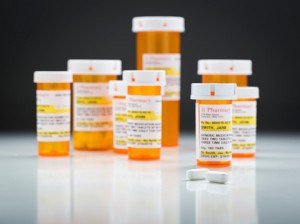 When you have been hurt in an accident at work, the Delaware workers’ compensation lawyers at Silverman, McDonald & Friedman help you to claim the benefits you need while you recover from being injured or having an occupational disease. Please contact us to schedule your consultation with a Newark, Seaford or Wilmington workers’ compensation attorney today.
The issue of prescription painkillers (specifically opioid pain medication) and the dangers that they pose in the workplace has many layers to it and it can be complicated and confusing. What is clear is that the opioid epidemic is causing a lot of problems in the workplace. Employees have a significant role to play in helping to prevent some of those dangers from occurring by taking a few preventive steps. In this first part of a two-part series, we want to look at how prescription pain medication can lead to a dangerous workplace.
Prescription pain medication can be addictive. National Safety Council (NSC) research reports that more than 60 people die each day in the United States due to a drug overdose. Taking prescription painkillers at work can impair the worker’s ability to do their job safely, leading to the potential for accidents and injuries.
The progression of opioid drug dependence
A worker suffers a serious back injury in an occupational accident. They filed a workers’ compensation claim, received medical treatment and when the doctor said that they had achieved maximum medical improvement (MMI), they were told to return to work despite tremendous back pain. The worker was prescribed opioid pain medication, which they began to rely on to get them through the work day. Weeks following their return to work, the employees is still taking the pain meds several times a day despite the dangers taking the drug poses to workplace safety.
- Taking prescription pain medication at work can impair an employee and cause them to make serious errors which could put other workers in danger as well.
- The opioid painkillers might be relieving the employee’s pain, but they can also be causing harm to the worker as well. There is a significant chance of dependence and delayed recovery from the injury
- The NSC reports that workers’ compensation claims for prescription painkillers users can be as much as four times higher than for non-prescription painkiller users.
- The NSC also reports that when an injured worker receives more than a week of prescription pain medication following and injury, they are twice as likely to sustain another injury, which can lead to increasing disability claims for workers who take prescription opioid pain medication.
A worker gets injured, they become dependent on pain medication, they return to work while still taking the pain meds and re-injure themselves and/ or possibly cause injury to other workers. Another follow-on problem that occurs with opioid pain medication dependence is when the worker runs out of the medication and they are unable to refill the prescription with their doctor, they turn to heroin or other illegal drugs.
At Silverman, McDonald and Friedman, we help injured employees throughout Delaware get the workers’ compensation benefits they need. If you have been injured on the job, or developed an illness as a result of your work, please call 302-888-2900 or fill out our contact form to make an appointment for a case evaluation in our Wilmington, Newark or Seaford office today. We can help.

Attorney Jeffrey S. Friedman joined Silverman, McDonald & Friedman in 2001. He graduated from Widener University School of Law, and is admitted to practice law in Delaware and Pennsylvania, and in several Federal Circuit courts. He areas of concentration include auto accident and workers’ compensation cases. Read more about Attorney Friedman here.